Generator Installation in Melbourne, FL
Hardy Electrical Contractors handles the electrical side of generator installation for homes and businesses throughout Melbourne and Brevard County — including transfer switches, generator hookups, inlet boxes, and electrical load planning. When the power goes out, you want to know your setup was done right.
Why Generator Electrical Work Matters in Florida
Florida's storm season is long and unpredictable. A generator is only as reliable as the electrical connection behind it — done wrong, it can be dangerous. Done right, it works exactly when you need it.
Storm Season is Real
Brevard County regularly faces tropical storms, hurricanes, and severe weather that can knock out power for hours — or days. A properly connected generator keeps your AC, refrigerator, lights, and essential equipment running without interruption.
Safety Requires a Licensed Electrician
Connecting a generator directly to your home's wiring without a proper transfer switch is illegal and dangerous — it can backfeed power onto utility lines and injure utility workers. Florida law requires this work to be done by a licensed electrical contractor.
Load Planning Prevents Problems
Running too many loads on a generator can overload it and damage connected equipment. Hardy Electrical reviews your electrical system and helps you understand what your generator can realistically support — before installation, not after.
Standby Units Need Proper Wiring
Standby generators that start automatically require dedicated electrical connections, automatic transfer switches, and careful integration with your panel. These aren't plug-and-play installs — they require a licensed electrician to do correctly.
Protects Your Home & Equipment
A code-compliant generator hookup with a proper transfer switch protects your home's wiring and connected appliances. Improper setups risk damaging sensitive electronics, voiding insurance claims, or creating fire hazards.
Peace of Mind Has a Price Tag — This Isn't It
Getting the electrical connection done correctly the first time is far less costly than dealing with code violations, insurance issues, or equipment damage caused by an improper hookup. Hardy gives you a clear, honest quote upfront.
What Hardy Can Help With
Hardy Electrical handles the electrical side of generator installation. Every project is a little different — we'll review your setup, explain your options, and give you a clear quote.
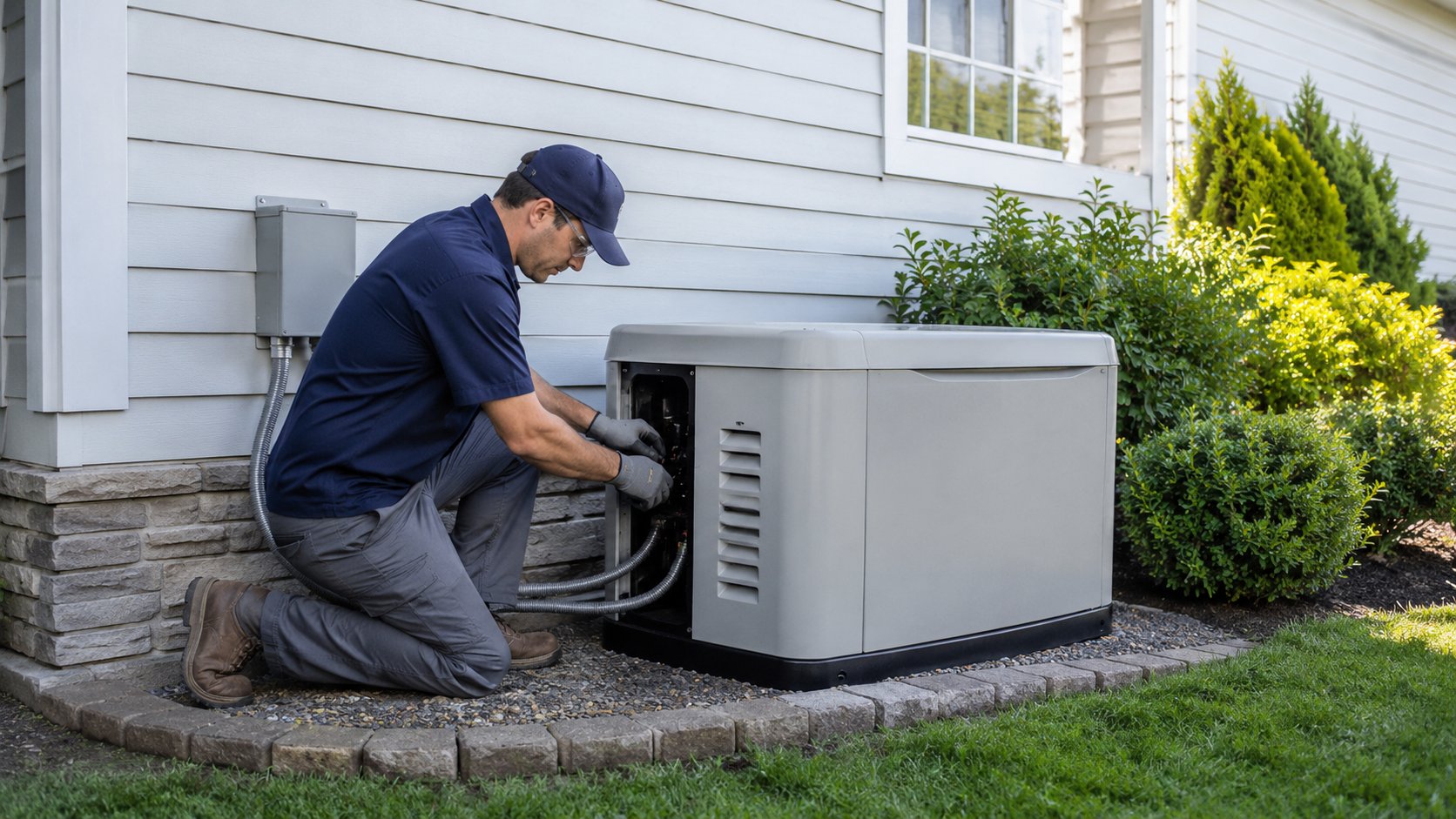
Transfer Switches & Interlock Safety
A transfer switch is the device that safely separates your home's electrical system from the utility grid before connecting generator power. Without it, a generator can push electricity back onto utility lines — a serious hazard for utility workers restoring power, and potentially fatal.
In plain terms: when your generator is running, your home needs to be disconnected from the grid. A transfer switch or interlock kit is what makes that happen safely and legally. Florida code requires this for any permanent or semi-permanent generator connection.
Hardy Electrical can explain the options that make sense for your specific setup and generator type, and install whichever solution fits your home correctly.
Important: Never plug a generator into a standard outlet or connect it directly to your panel without a proper transfer switch or interlock. This is known as backfeeding and is both illegal and dangerous.
Manual Transfer Switch
A dedicated subpanel that lets you manually select which circuits in your home receive generator power. You switch it over when the power goes out. Clean, code-compliant, and straightforward to use.
Generator Interlock Kit
A mechanical interlock that slides onto your existing main panel and prevents the main breaker and generator breaker from being on at the same time. A more economical option for compatible panels.
Automatic Transfer Switch (ATS)
Used with standby generators, an ATS detects a power outage and automatically switches your home to generator power — no manual steps required. Requires a standby generator and proper panel integration.
Portable vs. Standby Generators
The type of generator you choose affects what electrical work is needed. Hardy Electrical can handle the electrical connection side of either setup.
Portable Generator
- Lower upfront cost — you own the unit and store it until needed
- Requires manual setup and startup during an outage
- Must be run outdoors, away from windows and doors
- Electrical hookup typically uses an inlet box and manual transfer switch or interlock
- Good option for powering priority circuits during shorter outages
- Hardy handles the inlet box, transfer switch, and any panel work needed
Standby Generator
- Permanently installed outside your home, connected to fuel supply
- Starts automatically when grid power is lost — no manual steps
- Can power more of your home, depending on generator size
- Requires an automatic transfer switch and dedicated electrical connections
- Gas, propane, or natural gas fuel work is handled by the appropriate licensed trade — Hardy handles the electrical side and can coordinate with qualified fuel trades when needed
- Higher upfront cost, but maximum convenience during extended outages
A note on fuel and gas work: Hardy Electrical focuses on the electrical side of generator installation — the wiring, transfer switches, panel connections, and load planning. Gas line, propane, and fuel plumbing work should be performed by the appropriate licensed trade. If your project requires coordinating both electrical and fuel work, we're happy to help you think through the sequencing.
Panel Capacity & Load Planning
Before connecting a generator to your home, it's important to understand what your electrical panel can support and how to prioritize your loads. Not every home needs a panel upgrade before adding generator capability — but some do, and it's better to know upfront.
Hardy Electrical reviews your panel as part of the estimate process. We look at available capacity, existing breaker slots, and how your home's circuits are currently arranged. If a panel upgrade is needed before the generator connection can be completed properly, we'll let you know before any work begins — no surprises.
Load planning is especially important if you're adding a generator alongside other new electrical loads like an EV charger or major appliances. We'll help you understand the full picture so your electrical system can handle everything reliably.
Permit requirements for generator hookups can vary by project type and location within Brevard County. Hardy can help review what's applicable to your installation and work within the appropriate local requirements.
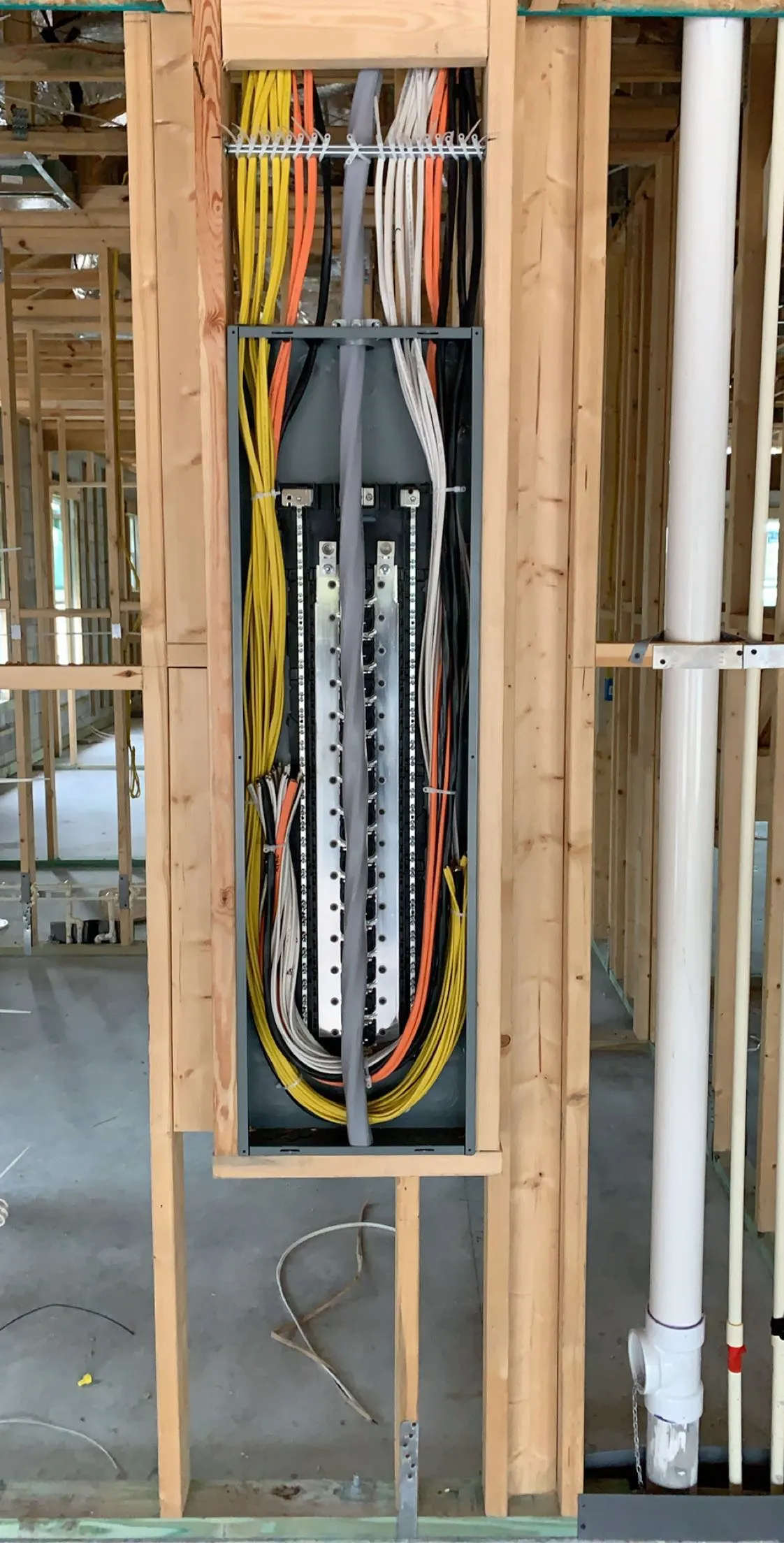
Generator Installation Across Brevard County
Hardy Electrical Contractors serves all communities throughout Brevard County, Florida. Whether you're in Melbourne, Palm Bay, or anywhere in between, we can schedule an estimate and handle your generator electrical installation.
Not sure if we cover your area? Call us at (321) 525-6121 and we'll let you know right away.
Generator Installation FAQs
Straightforward answers to the questions we hear most about generator electrical installation in Brevard County.
Yes — in Florida, connecting a generator to your home's electrical system requires a licensed electrical contractor. This includes installing transfer switches, interlock kits, generator inlet boxes, and any related panel or wiring work. Hardy Electrical holds Florida Electrical Contractor License ER13016486 and can handle the full electrical side of the installation correctly and to code.
A transfer switch safely disconnects your home from the utility grid before connecting generator power. Without one, a generator can backfeed electricity onto utility lines, which is dangerous for utility workers and illegal. Florida code requires a proper transfer switch or interlock device for any generator hookup connected to your home's wiring. Hardy can explain which option — manual transfer switch, interlock kit, or automatic transfer switch — makes the most sense for your setup.
Hardy Electrical handles the electrical side of standby generator installation — the wiring, automatic transfer switch, and panel connections. Gas line, propane, and natural gas fuel plumbing should be performed by the appropriate licensed trade (a licensed plumber or gas contractor). If your project requires both electrical and fuel work, we're happy to help you think through how to sequence and coordinate those trades.
Yes — the right way to do this is with a generator inlet box mounted outside your home, wired to a transfer switch or interlock kit connected to your panel. This lets you plug your portable generator in safely from outside, with the transfer switch ensuring your home is properly isolated from the grid. Hardy can install this setup for your home in Brevard County.
Not always — it depends on your existing panel's age, capacity, and available breaker space. Many homes can accommodate a generator hookup without a full panel upgrade. Older panels or those already at capacity may need attention before a proper generator connection can be completed. Hardy reviews your panel as part of the estimate process so you know exactly what's involved before any work begins. If a panel upgrade is needed, we can handle that as well — learn more about our panel upgrade service.
Yes. Hardy Electrical Contractors serves all communities throughout Brevard County, including Melbourne, Palm Bay, Viera, Rockledge, Cocoa, Merritt Island, Satellite Beach, Titusville, and surrounding areas. If you're unsure whether we cover your area, call us at (321) 525-6121 and we'll confirm right away.
Ready to Get Your Generator Connected?
Hardy Electrical Contractors can review your electrical setup, explain your transfer switch options, and provide a clean, code-compliant installation for your home or business anywhere in Brevard County.
Licensed & Insured • FL Lic. ER13016486 • Melbourne, FL